Benazir Nashonuma Program 2026: BISP Eligibility, Registration & Quarterly Stipend Guide
Complete Guide about BISP 8171 Benazir Nashonuma Program 2026, Check your eligibility status, step-by-step registration process, and latest quarterly payment updates easily using your CNIC.
The Benazir Nashonuma Program is a conditional cash transfer program run by BISP 8171 Portal(Benazir Income Support Programme) that provides quarterly stipends and nutrition support to pregnant women, breastfeeding mothers, and children under 2 years of age. As of 2026, the program operates across all districts of Pakistan through 512 dedicated Nashonuma Centers. Pakistan ranks among the world’s highest nations for child malnutrition, with 40% of children under 5 experiencing stunted growth — a crisis the Nashonuma Program directly addresses. The program was originally launched in 2020 under the name Ehsaas Nashonuma Program in 14 pilot districts, in partnership with the World Food Programme (WFP), Health Department, and Shifa Foundation. This guide covers eligibility, registration, current stipend amounts, and how to check your payment status by CNIC.
- Who qualifies: Pregnant women, breastfeeding mothers, and children under 2 years already enrolled in Benazir Kafaalat.
- Stipend: Rs. 2,500/quarter (pregnant women & boys) | Rs. 3,000/quarter (girls under 2)
- Check eligibility: SMS your CNIC to 8171, or visit 8171.bisp.gov.pk
- Register: Visit your nearest Nashonuma Center or BISP Tehsil Office in person.
- Centers: 512 Nashonuma Centers across all districts of Pakistan.
- Last Updated: June 4, 2026
What Is the Benazir Nashonuma Program? (Overview & History)
The Benazir Nashonuma Program is a government-run conditional cash transfer initiative under BISP that directly combats child stunting and maternal malnutrition in Pakistan’s lowest-income households. Pakistan has a huge problem of nutrition and food deficiency, having faced serious climate conditions like earthquakes and continuous floods. Monsoon floods affect 50 lac people each year. According to a survey, 82 percent of people in Pakistan are not able to purchase healthy foods.
This effect is much more visible in women, girls, and children, especially infants. Almost 20 percent of the children under 5 years suffer from malnutrition, while 40 percent of children experience improper growth due to acute malnutrition.
After becoming Prime Minister, Mr. Imran Khan emphasized the health of the mother and the newborn baby in his first speech. Therefore, in 2020, the Government of Pakistan, in partnership with the World Food Programme (WFP), Health Department, and Shifa Foundation, launched the Ehsaas Nashonuma Program under the Ehsaas Umbrella. First, the government started it only in 14 districts. In 2022, the government changed the name of the Ehsaas Program and named it Benazir Income Support Programme (BISP). Similarly, Ehsaas Nashonuma became the Benazir Nashonuma Program. Now, the government has expanded the program to all districts of Pakistan, along with 512 Nashonuma Centers.
| Feature | Details |
|---|---|
| Program Name | Benazir Nashonuma Program |
| Managing Organization | Benazir Income Support Programme (BISP) |
| Type | Conditional Cash Transfer Program |
| Main Purpose | Reduce stunting and malnutrition in pregnant women and children under 2 years |
| Target Group | Pregnant women, lactating mothers, and children under 2 years |
| Financial Support | Cash stipend + nutritional support (food supplements) |
| Support Method | Quarterly cash transfers + nutrition counseling |
| Health Requirements | Regular health checkups, immunization, and growth monitoring |
| Enrollment Point | BISP Nashonuma Centers (Tehsil-level hospitals/centers) |
| Key Focus Areas | Maternal health, child growth, nutrition awareness |
| Age of Child Coverage | From pregnancy stage up to 2 years of age |
| Goal | Reduce child stunting, improve maternal health, and nutrition in low-income families |
Key Objectives of the Benazir Nashonuma Program
The government has launched the program to improve the health of infants up to 2 years (1000 days) and pregnant and lactating women. The government gives a cash amount to children and women. In return, mothers should take care of themselves and their infants. They must join awareness sessions and eat specialized, healthy, and nutritious food.
Key objectives of the Benazir Nashonuma Program are as follows;
Who Is Eligible for the Benazir Nashonuma Program?
To receive financial aid under the Benazir Nashonuma Program, breastfeeding women, lactating women, and infants must meet the following eligibility conditions:
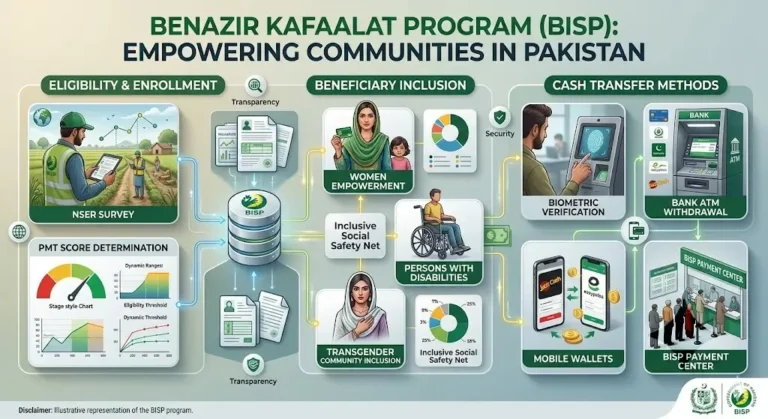
Note on PMT Score: To qualify for the Benazir Nashonuma Program, your household must already be enrolled in the Benazir Kafaalat Program, which requires a Proxy Means Test (PMT) score below the poverty threshold set by BISP. If you are unsure of your PMT score, you can check it at the 8171 Web Portal or by visiting your nearest BISP Tehsil Office. Households not yet registered should complete the NSER (National Socio-Economic Registry) survey first.
How to Check Benazir Nashonuma Eligibility by CNIC Online
You can easily check your BISP 8171 eligibility by CNIC and payment status for the Benazir Nashonuma Program using the 8171 Web portal, SMS service, and Nashonuma Centers.
8171 Web Portal
It will show your eligibility status if you are already registered under the Benazir Kafaalat Program and whether you qualify for Nashonuma support or not.
8171 SMS Service
If you do not have an internet connection, you can use the BISP SMS Service Method.
Within a few minutes, you will receive a message about your eligibility and program status.
Visit Nashonuma Center or BISP Tehsil Office
If you do not have an internet connection or a mobile phone, or you do not get clear information online, you can find your nearest BISP Tehsil office location or visit your nearest Nashonuma center. Staff will check your record and guide you properly.
Step-by-Step Registration Process
To register for the Benazir Nashonuma Program, you must visit a Nashonuma Center or BISP Tehsil Office in person — online registration is not available for any all BISP 8171 programs and sub-schemes. Follow these steps:
Required Documents
Quarterly Stipend & Financial Assistance Details (2026)
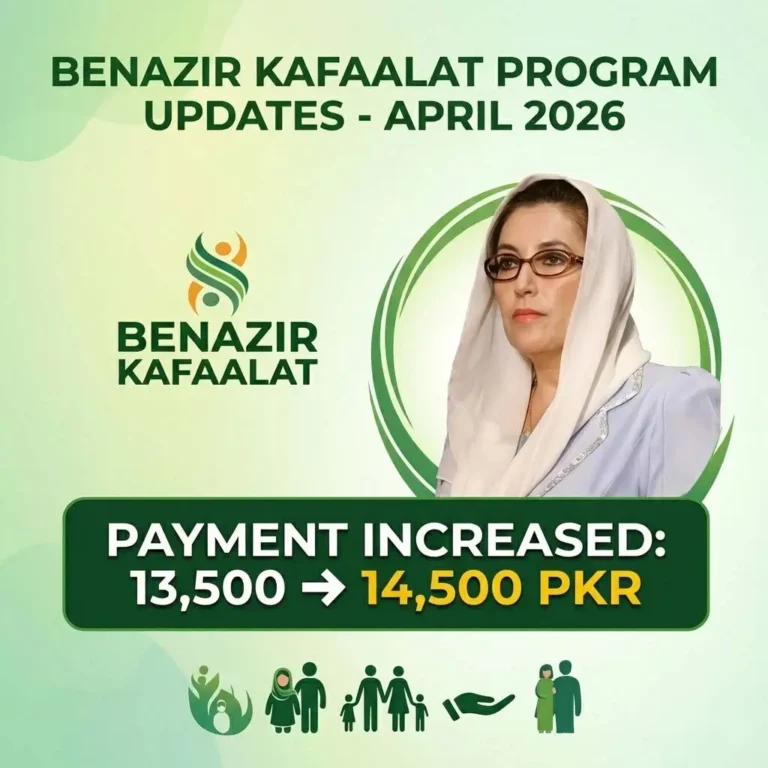
Chairperson of Benazir Income Support Programme, Senator Rubina Khalid, has announced an increase of 500 rupees for the quarterly payment in BISP April 2026 payment update (Rs. 2,500-3,000 Nashonuma). Payments are made quarterly (every 3 months) — not monthly. The pregnant woman or the boy child will now receive Rs. 2,500 per quarter, while the girl child will receive Rs. 3,000 per quarter. Beneficiaries must attend all required health visits to receive the quarterly payment for Nashonuma stipend 2026.
| Beneficiary | Quarterly Stipend (April 2026) |
|---|---|
Pregnant Woman | Rs. 2,500 |
Boy Child (under 2 years) | Rs. 2,500 |
Girl Child (under 2 years) | Rs. 3,000 |
Payment Frequency | Quarterly (Every 3 Months) |
Condition | Must Attend Required Health Visits |
Announced By | Senator Rubina Khalid, BISP Chairperson |
Payment Methods
BISP distributes the quarterly BISP payments through Nashonuma centers, Banks ATM, BISP Tehsil Offices, or Digital Wallets like Jazzcash and Easypaisa. Beneficiaries can receive support after health checkups and medical verification.
You can check the complete BISP payment methods and cash withdrawal guide.
Health & Nutrition Services Provided at Nashonuma Centers
The Benazir Nashonuma Program goes beyond cash support — it provides structured health monitoring, vaccination guidance, and nutrition education at all 512 Nashonuma Centers nationwide to improve the health of mothers and children.
Maternal Health
Pregnant women enrolled in the Benazir Nashonuma Program receive scheduled antenatal checkups at their registered Nashonuma Center. These visits track the mother’s weight, blood pressure, hemoglobin levels, and overall pregnancy progress. After delivery, postnatal checkups are also conducted to monitor maternal recovery and newborn health. Attending these checkups is mandatory — missing visits can delay or suspend your quarterly payment.
Growth Monitoring
Health staff at Nashonuma Centers measure each enrolled child’s weight and height at every visit to detect early signs of stunting or wasting. Children flagged for acute malnutrition are referred to additional nutritional support services. The government’s target is to reduce Pakistan’s child stunting rate, which currently affects approximately 40% of children under 5 years of age.
Vaccination Support
Nashonuma health workers cross-check each child’s vaccination card against Pakistan’s Expanded Programme on Immunization (EPI) schedule. Mothers are reminded about upcoming vaccination dates for polio, measles, DPT, and hepatitis B doses. Keeping your child’s vaccinations up to date is a condition for continued program enrollment.
Nutrition Guidance
The program provides Ready-to-Use Supplementary Food (RUSF) packets and micronutrient supplements to enrolled mothers and children. Health educators run group sessions at Nashonuma Centers covering breastfeeding techniques, introduction of solid foods at 6 months, iron-rich food preparation, and hygiene practices. These sessions are free and conducted in the local language.
Common Problems and How to Fix Them
Many people face small issues while applying for the Benazir Nashonuma Program. Most of these problems are simple and can be fixed easily if you follow the right steps.
CNIC not showing eligible status
Check if your CNIC is not expired. Make sure you are registered in the Benazir Kafaalat Program. If there is a mistake, you can visit your nearest BISP office for correction.
Payment not received
Check your visit record at Benazir Nashonuma center and complete all required health checkups.
SMS from 8171 not received
Check the mobile network signal and make sure the SIM is registered on your CNIC.
Application rejected
Visit the nearest BISP Tehsil Office and update your information in the NSER Dynamic survey and BISP Database.
Frequently Asked Questions About Benazir Nashonuma Program
About the Author
This guide was researched and written by the SchemesAlert editorial team, which specializes in tracking BISP programs, government welfare schemes, and social protection initiatives in Pakistan. All information is verified against official BISP announcements and updated regularly. SchemesAlert is an independent information platform and is not affiliated with or endorsed by BISP or the Government of Pakistan.